Renewable Energy
Renewable energy, derived from natural sources that are constantly replenished, is at the forefront of global efforts to combat climate change and achieve sustainable development. Unlike fossil fuels, which are finite and contribute heavily to greenhouse gas emissions, renewable energy sources offer a clean, inexhaustible, and increasingly cost-effective alternative for meeting the world’s growing energy needs.
Types of Renewable Energy
There are several main types of renewable energy, each harnessing the natural power of the earth, sun, wind, or water.
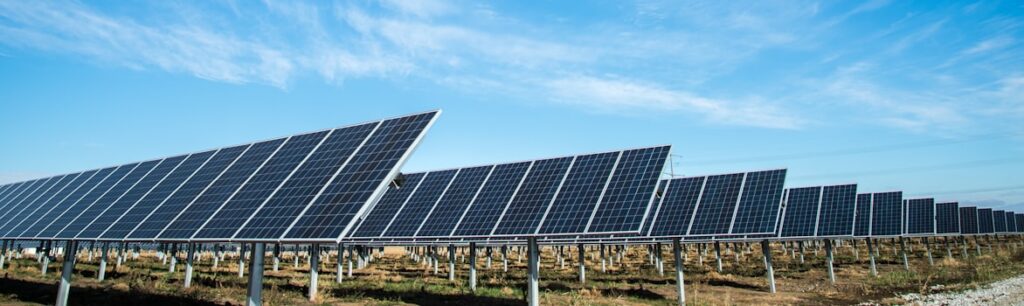
- Solar Energy: Solar power is harvested using photovoltaic (PV) panels or solar thermal systems. It is one of the fastest-growing sources of energy worldwide, driven by falling costs and increased efficiency. From small-scale rooftop installations to massive solar farms, solar energy is versatile and scalable.
- Wind Energy: Wind turbines convert the kinetic energy of wind into electricity. Wind energy is a key player in many countries’ energy mixes, particularly in areas with consistent wind patterns like coastal regions and open plains.
- Hydropower: This involves generating electricity from the movement of water, typically using dams on rivers. Hydropower is the most established form of renewable energy and remains a major source of electricity in many countries, although environmental concerns over ecosystem disruption have sparked debates.
- Biomass: Biomass energy is produced from organic materials such as agricultural waste, wood, and even algae. When managed sustainably, biomass can be a low-carbon source of power and heat, especially in rural areas.
- Geothermal Energy: Geothermal energy taps into the heat stored beneath the Earth’s surface. It provides a stable and reliable power supply with minimal environmental impact, particularly in volcanic regions where geothermal activity is close to the surface.
Benefits of Renewable Energy
Environmental Impact: Renewable energy produces little to no greenhouse gas emissions or air pollutants. Transitioning to renewables is crucial for mitigating the impacts of climate change, improving air quality, and preserving natural ecosystems.
Energy Security: By diversifying the energy supply and reducing dependence on imported fuels, renewable energy enhances national energy security. It also helps stabilize energy prices, as the cost of renewable energy does not fluctuate like fossil fuels.
Economic Growth and Job Creation: The renewable energy sector is a significant driver of economic growth. According to the International Renewable Energy Agency (IRENA), millions of jobs have been created in solar, wind, hydro, and other renewable industries, with further growth expected as the transition accelerates.
Accessibility and Decentralization: Renewable technologies, particularly solar and wind, can be deployed in remote and underserved areas, helping to bring electricity to communities that lack reliable access. Off-grid and microgrid solutions powered by renewables are transforming energy access in developing regions.
Renewable Energy
Challenges to Overcome
Despite its advantages, renewable energy faces several challenges:
- Intermittency: Some renewable sources, like solar and wind, are intermittent and weather-dependent. Advances in battery storage and smart grid technologies are helping to address these limitations.
- Infrastructure and Investment: Transitioning to renewables requires significant investment in infrastructure, including power grids, energy storage, and new transmission lines. Policymakers and the private sector must collaborate to support these developments.
- Regulatory and Market Barriers: In many regions, outdated regulations and fossil fuel subsidies continue to hinder the growth of renewable energy. Reforming energy markets and providing incentives for clean energy adoption is essential.
- Land Use and Environmental Concerns: While renewable energy is cleaner, large-scale projects such as hydroelectric dams or solar farms can impact local ecosystems. Balancing development with environmental protection is a key consideration.
The Road Ahead
The global shift toward renewable energy is well underway. Governments, businesses, and individuals are recognizing the urgency of the climate crisis and the economic potential of clean energy. International agreements, such as the Paris Agreement, have set ambitious targets for reducing carbon emissions, with renewable energy playing a central role in achieving them.
Technological advancements continue to drive down costs and improve efficiency, making renewable energy more accessible than ever before. Innovation in areas like hydrogen fuel, offshore wind, and energy storage promises to unlock new possibilities for clean power generation.
Ultimately, renewable energy is more than just a tool for reducing emissions; it is a pathway to a more sustainable, equitable, and resilient world. By embracing renewable energy today, we can secure a cleaner, healthier planet for future generations.